
Understanding What is CSR Event: A Complete Guide with CSR Event Ideas
- On December 29, 2025
Today’s consumers, employees, and investors expect more from businesses than simply profit generation. They demand purpose, ethics, and meaningful action, and one of the most powerful ways companies can deliver on this demand is through CSR events.
Corporate Social Responsibility (CSR) is a vital business strategy. Companies are increasingly leveraging CSR events to make a positive social and environmental impact, while strengthening brand reputation and employee engagement.
In this comprehensive guide, we’ll explore what a CSR in event management is, why it matters, the different types of CSR events, how to organize one successfully, and creative CSR event ideas your company can follow.

What is a CSR (Corporate Social Responsibility) Event?
A CSR (Corporate Social Responsibility) event is a planned activity or initiative organized by a business with the goal of creating positive social, environmental, or community impact. CSR events empower organizations to contribute meaningfully to society.
Unlike typical corporate events focused on sales, networking, or product launches, CSR events prioritize purpose over profit. They are designed to align with a company’s values and social responsibility objectives such as sustainability, community development, diversity and inclusion, health, education, and more.
Examples of CSR events include:
- Volunteering at local community centers
- Fundraisers for nonprofit partners
- Environmental cleanup drives
- Donation campaigns for underserved populations
- Employee wellbeing workshops offered free to the public
Importance of CSR Events for Businesses
CSR events offer measurable benefits that align with business goals, such as:
1. Enhances Brand Image and Reputation
In today’s socially conscious market, customers favor brands that stand for something meaningful. CSR events reflect authenticity, social engagement, and corporate values, qualities that strengthen brand trust and loyalty.
A company that regularly engages in meaningful CSR activities is perceived as ethical, accountable, and community-oriented, which can build stronger customer relationships.
2. Fosters Employee Engagement and Retention
CSR events can significantly boost employee morale and satisfaction. When employees participate in causes they care about, they feel more connected to the company’s purpose. Employees, especially Millennials and Gen Z, are more likely to stay long-term with companies that have strong CSR commitments.
3. Builds Stronger Community Relationships
CSR events bring businesses closer to the communities. This builds goodwill, trust, and mutual support, which are all essential elements for sustainable business growth. A strong community connection can also improve corporate credibility when entering new markets or navigating regulatory concerns.
4. Drives Positive Environmental and Social Impact
CSR events give companies a structured way to address real-world challenges. By focusing on sustainable development goals, businesses can play a part in solving issues that go beyond their operations, aligning corporate action with global needs.
5. Boosts Marketing and PR Value
CSR events generate authentic stories that resonate with audiences. These stories often translate into media coverage, social media engagement and increased brand awareness. Positive news about community impact can significantly uplift a brand’s public image.
Types of CSR Events
CSR events come in many forms, depending on a company’s mission, industry, and target stakeholders. Below are the most common types of CSRs in event management:
1. Environmental CSR Events
These events focus on sustainability, conservation, and environmental protection.
Examples:
- Tree-planting drives
- Beach or park clean-ups
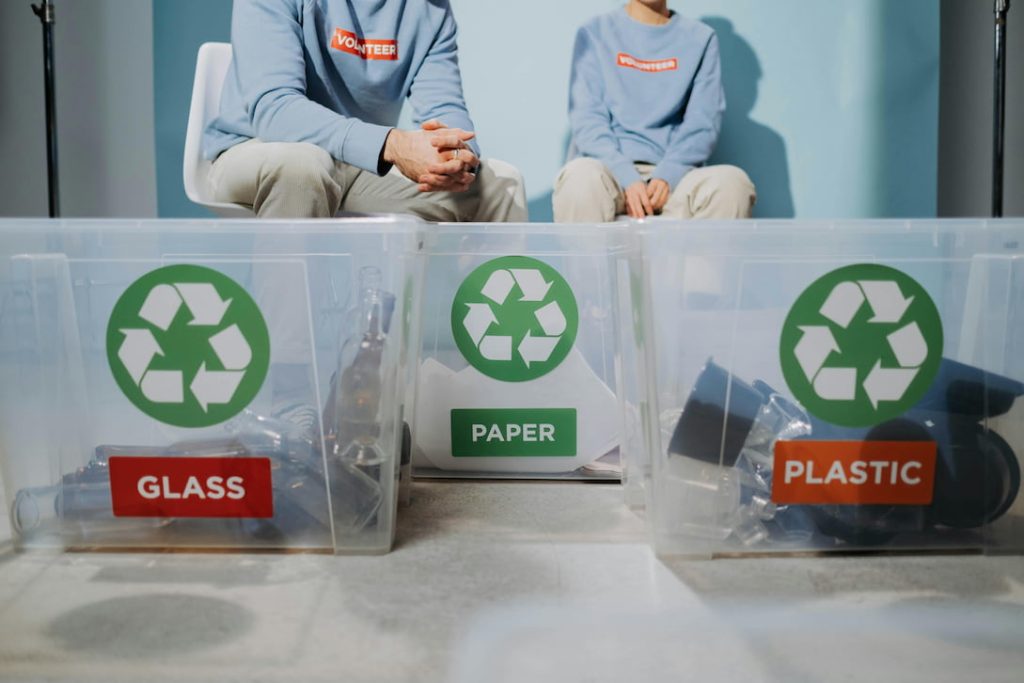
- Recycling and waste management campaigns
- Energy conservation pledges
- Green innovation challenges
Environmental CSR events emphasize corporate commitment to planet-friendly practices.
2. Community and Philanthropic Events
These events aim to uplift local communities and support underserved populations.
Examples:
- Fundraising walks or marathons for nonprofits
- Donation drives (food, clothing, school supplies)
- Community volunteer days
- Health and wellness fairs
Community events strengthen ties between a company and the people it serves.
3. Educational and Skill-Building Events
Businesses can use their expertise to educate and empower others.
Examples:
- Free training workshops
- Career development seminars
- Scholarships and mentorship programs
- STEM outreach for students
These events create long-term social value by enhancing knowledge and opportunities.
4. Health and Wellbeing Events
CSR wellness events prioritize physical and mental health.
Examples:
- Free health screenings
- Mental health awareness campaigns
- Fitness challenges and wellness fairs
- Blood donation camps
Health-oriented CSR events reinforce the company’s commitment to wellbeing.
5. Diversity, Equity & Inclusion (DEI) Events
These events promote inclusion, fairness, and support for diverse communities.
Examples:
- Cultural celebration events
- Inclusion and bias workshops
- Support forums for underrepresented groups
- Accessibility awareness campaigns
DEI CSR events help create inclusive workplaces and communities.
6. Cause-Specific Advocacy Events
Some CSR events focus on specific global or local issues.
Examples:
- World Environment Day celebrations
- Anti-bullying campaigns
- Gender equality forums
- Mental health month initiatives
The key is aligning with causes that resonate with your brand and partners.

How to Organize a Successful CSR Event
A successful CSR event requires strategy, planning, and execution. Below is a step-by-step guide that ensures impact and organization alignment.
1. Define Objectives and Impact Goals
Ask yourself:
- What is the purpose of this event?
- Which social issue are we addressing?
- How do we want to measure success?
Clear objectives will guide your entire planning process.
2. Align the Event with the Company Values
Your CSR event should reflect your brand’s identity and core values. Alignment ensures authenticity and long-term commitment.
For example:
- A tech company might focus on digital literacy
- A healthcare-related brand might focus on wellness
3. Identify Target Audience and Stakeholders
Know who the event is for:
- Employees
- Customers
- Local communities
- Partner organizations
- Government or civic groups
Understanding your audience helps tailor activities, communication, and impact.
4. Create a Detailed Event Plan
Your event plan should include:
- Event timeline
- Logistics and resources
- Budget
- Roles and responsibilities
- Safety and compliance
You can use project management tools to track progress.
5. Partner with Relevant Organizations
Collaborating with nonprofits, government agencies, or community groups can enhance credibility and reach.
Benefits of partnership:
- Shared expertise
- Expanded audience
- Shared costs
- Increased social impact
6. Promote the Event
Effective promotion ensures participation and awareness.
Channels to consider:
- Company website and newsletter
- Social media platforms
- Influencer partnerships
- Media outreach
- Internal communication
The messaging should focus on purpose and impact, not just participation.
7. Execute with Purpose
On event day, ensure:
- Roles are clear
- Participants are engaged
- Activities align with goals
- Feedback mechanisms are in place
Capture photos, testimonials, and data for post-event analysis.
8. Measure Impact and Report Results
Evaluate your event based on KPIs like:
- Number of participants
- Funds raised
- Amount of waste collected
- Hours volunteered
- Feedback from stakeholders
Share results internally and externally to demonstrate transparency.
9. Follow Up and Sustain Impact
CSR doesn’t end when the event does. To sustain momentum:
- Share impact stories
- Engage participants in ongoing initiatives
- Plan future events
- Build a CSR calendar for the year
A well-scheduled CSR program drives ongoing change and community trust.
CSR Event Ideas for Your Company
If you need some CSR event ideas, we got you covered. Explore some examples that would work great for almost any company below:
- Tree planting and environmental clean-up activities
- Recycling and sustainability awareness campaigns
- Charity runs and fundraising events for social causes
- Food, clothing, and essential donation drives
- Community volunteering at shelters or care homes
- Career mentorship and skills training workshops
- Free health screenings and blood donation drives
- Mental health and wellness awareness programs
- Cultural celebration and inclusion events
- Women empowerment and youth leadership initiatives
Conclusion
CSR events are powerful tools that help businesses do well by doing good. They strengthen brand reputation, enhance employee engagement, build community trust, and deliver measurable social and environmental impact.
If you’re ready to plan your next CSR event, head over to Events Wizard, a trusted event planning company in Malaysia and let us plan your ideal CSR event for you! Simply share your business goals and values, and we’ll take it from there.